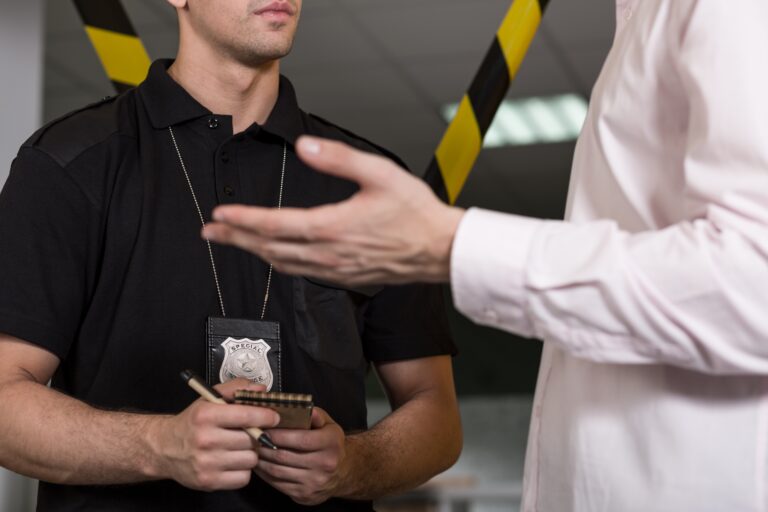



You got a call from a detective. Now what?
It’s a moment that can shake anyone, whether you’re innocent, unsure, or just caught off guard. Maybe an officer left you a voicemail. Maybe they showed up at your door. Either way, it might be that you’re now facing something serious: a police investigation.
Even if you haven’t been arrested or charged, what you do next matters. In many cases, when police start asking questions, they’re already building a criminal case. That’s why it’s so important to understand your rights, protect yourself, and avoid common mistakes.
Let’s see what a police investigation actually means, how to recognize the signs, and what steps to take without delay. If you’re in the Triangle area, working with experienced Wake County criminal attorneys can make a real difference in the outcome.
What a Police Investigation Really Means
If you’re suddenly on a detective’s radar, you might be wondering: Is this just routine? Or am I in real trouble?
Here’s the truth: when law enforcement starts asking questions, it’s usually not random. A police investigation usually means they suspect a crime has occurred, and they’re gathering evidence to build a case. Even if you haven’t been charged, you could be what they call a person of interest — someone they believe may be involved or have information they can use.
That’s why anything you say or do during this time can be used later in court. Even casual conversations, social media posts, or text messages could end up as evidence.
The earlier you understand what’s really happening, the better chance you have to protect yourself. This is where speaking with Wake County criminal attorneys who know how local investigations work can make all the difference.
Police Vs. Criminal Investigation: What’s the Difference?
While the terms are often used interchangeably, they’re not exactly the same.
A police investigation refers to any inquiry conducted by law enforcement, which could involve a crime, but not always. It might relate to a missing person, a suspicious situation, or even a routine background check.
A criminal investigation, on the other hand, specifically involves suspected criminal activity. Police investigations often become criminal investigations when officers start focusing on gathering evidence that could lead to charges.
If the police are asking you questions, it may mean they suspect something more serious, even if they haven’t said so directly. That’s why it’s important to get legal guidance early, before things move further than you expected.
How to Know If You’re Under Police Investigation?
Police don’t always announce that they’re investigating you, but there are usually signs. If something feels off, trust your instincts.
Here are a few red flags that may indicate you’re part of a police investigation:
- A detective calls or shows up at your home or workplace and wants to “just ask a few questions” or “hear your side of the story.”
- You hear from friends, family, or coworkers that officers have been asking about you.
- You receive a subpoena for documents or testimony.
- Police execute a search warrant at your home, car, or business.
- Someone you know has already been arrested, and your name came up during questioning.
If you’ve experienced any of these, it’s not the time to guess or hope it goes away. A quiet investigation can turn into formal charges without warning.
Steps Police Typically Follow in Wake County
Every police investigation has a rhythm. While the details vary, the overall process often follows a familiar pattern. Understanding these steps can help you stay calm and avoid costly mistakes.
In Wake County, investigations might be led by the Raleigh Police Department, the Wake County Sheriff’s Office, or, in some cases, state-level agencies like the North Carolina State Bureau of Investigation (SBI).
Here’s what law enforcement typically does when building a case in Wake County:
- Gathering evidence – This might include witness interviews, surveillance footage, phone records, or other documentation.
- Talking to the person of interest (you) – Officers may approach you casually, hoping you’ll talk without a lawyer present.
- Working with prosecutors – Police don’t make charging decisions alone; they often consult with the District Attorney’s office before making an arrest.
- Requesting search or arrest warrants – If they believe they have enough probable cause, police may seek court approval to search your property or take you into custody.
These steps are based on statewide legal procedures, but the way they’re carried out can vary by agency. For example, Raleigh police detectives may reach out by phone first, while deputies from the Wake County Sheriff’s Office might appear in person. This is where having local insight matters.
Experienced Wake County criminal attorneys know how different agencies in the area operate and can often spot investigative patterns before they escalate.
What You Should Not Do When Facing a Police Investigation
When you’re under a police investigation, every action you take (or don’t) can impact what happens next. It’s easy to panic or try to fix things yourself, but some of the most common mistakes people make can do real damage.
Here’s what not to do:
Don’t Talk to Police Without a Lawyer
Even if the officer seems friendly or says “you’re not in trouble,” don’t fall for it.
Their job is to gather evidence, and anything you say, even something you think is harmless, can be twisted or used against you later. Just remember the Miranda rights: Anything you say can and will be used against you in a court of law.
Don’t Try to Explain or “Clear Things Up”
Trying to tell your side of the story without legal guidance often backfires. Police may already suspect you, and offering information freely can fill in gaps they couldn’t prove on their own.
Don’t Contact Other People Involved
Whether it’s a witness, an alleged victim, or someone else connected to the case, reaching out can make things worse. You might look like you’re trying to influence testimony or obstruct the investigation.
Don’t Delete Evidence or Lie
Deleting messages, changing posts, or giving false information can lead to additional criminal charges, sometimes more serious than the original offense.
If you’re unsure what to do, reach out to experienced Wake County criminal attorneys who can help you avoid these pitfalls and protect your rights from the start.
What You Should Do Immediately
If you believe you’re under a police investigation, time matters. The choices you make early on can shape what happens next, whether you’re cleared, charged, or somewhere in between.
Here’s what to do right now:
Call a (Local) Criminal Defense Attorney
Before speaking to anyone, including police, talk to an attorney. Someone who regularly handles cases in your area will understand local procedures, personalities, and how investigations typically unfold.
Wake County criminal attorneys know how to communicate with law enforcement, protect your rights, and sometimes even prevent charges from being filed at all.
Preserve Evidence That May Help Your Defense
If you have texts, emails, video footage, or anything else that could support your side of the story, don’t delete it.
Save it securely. Your attorney can decide what matters and how to use it.
Stay Calm and Avoid Posting Anything Online
In today’s world, it’s tempting to share your side on social media or text people about what’s happening. Don’t. Anything you post, even if it seems innocent, could be taken out of context and used as evidence.
A police investigation is not the time to explain or defend yourself publicly. It’s time to stay quiet, stay smart, and get legal protection in your corner.
Local Defense. Real Answers. Your Rights Protected.
Being part of a police investigation is stressful, confusing, and often overwhelming. Even if you haven’t been charged with anything, the risks are real, and what you do next could shape the outcome of your case and your future.
The good news? You don’t have to deal with it alone. Whether you’ve been contacted by a detective, named in a subpoena, or simply suspect you’re being watched, now is the time to get legal guidance.
Our experienced Wake County criminal attorneys understand how local investigations work, and we’re here to protect your rights, answer your questions, and help you move forward with clarity and confidence.
If you believe you’re under investigation, don’t wait. Contact Kurtz & Blum for a confidential consultation. We’re ready to stand between you and the unknown.