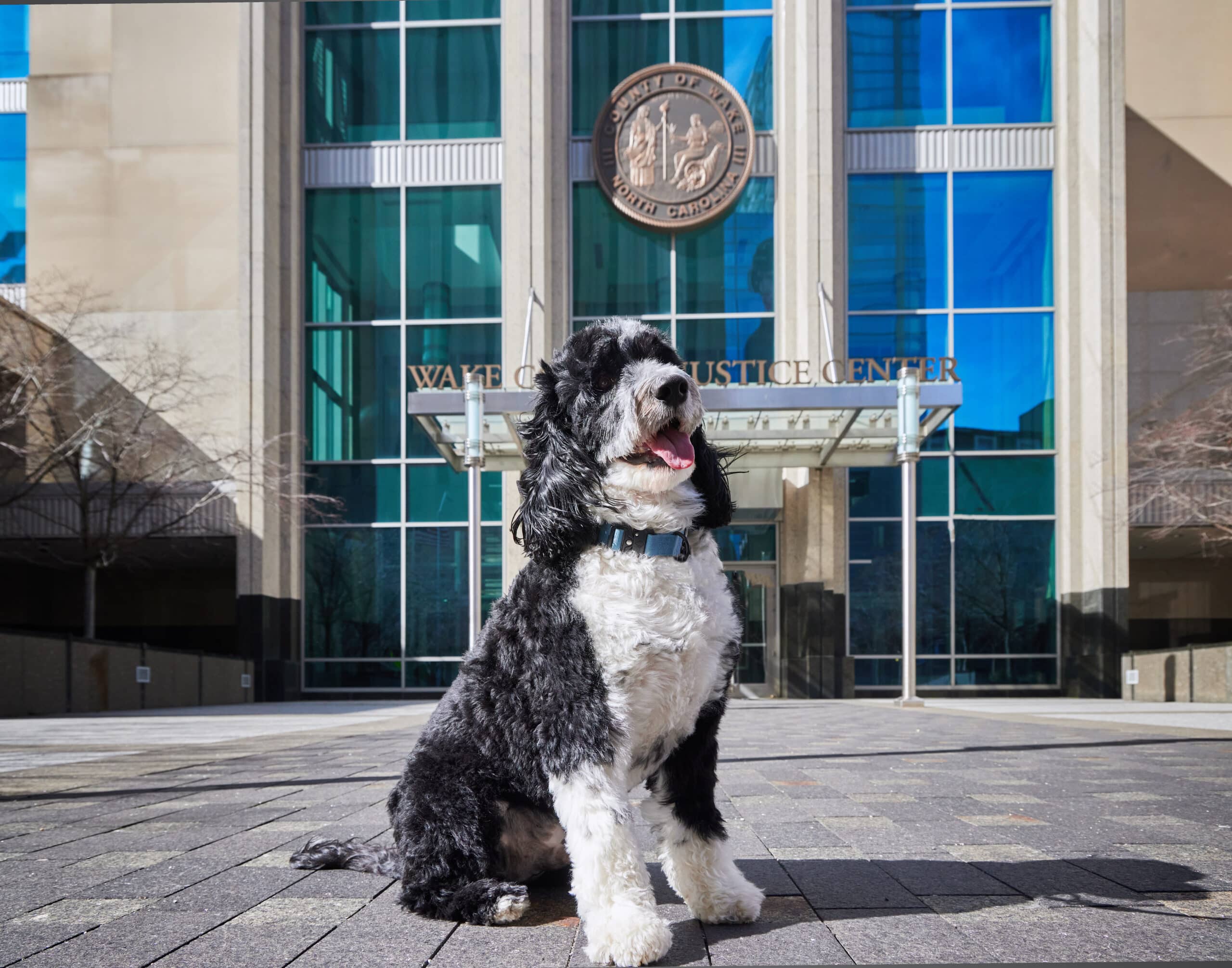
When you think about custody after a divorce, your mind probably goes straight to the kids. However, for many couples, the family doesn’t just include children, it also includes pets. Dogs, cats, and other household animals often hold a deep emotional place in our lives. So when a relationship ends, the question of who gets the pet can be just as emotionally charged as any other decision.
Across the country, pet custody is becoming a more common point of conflict in divorce cases. While some states are beginning to treat pets more like family members, North Carolina law still sees them as property, and this can be a difficult reality to face.
Still, for people who see their pet as family, not as something to be split up or assigned, a legal process that ignores that bond can feel frustrating and cold. It’s normal to worry about what the future looks like for both you and your pet during a divorce.
North Carolina law doesn’t always take into account the emotional bond we have with our pets. That doesn’t mean you’re out of options. With the right information and the right support, you can make a plan that protects your role in your pet’s life and avoids unnecessary conflict.
How North Carolina Treats Pets in Divorce
North Carolina treats pets differently than children or even emotionally significant belongings.
Under state law, pets are considered personal property. That means during a divorce, a pet isn’t subject to a traditional pet custody arrangement the way a child might be. Instead, they’re usually included in the process of equitable distribution.
If the pet was acquired before the marriage, it’s usually treated as separate property and remains with the person who owned it originally. If the pet was acquired during the marriage, it’s generally considered marital property and subject to division along with other shared assets.
Courts may consider factors such as:
- Who purchased or adopted the pet
- Whose name appears on registration or vet records
- Whether the pet has monetary value (for example, in the case of purebred or show animals)
- Whether the pet is part of a business asset (e.g., breeding or training)
Disagreements can still arise, especially if one partner paid for the pet but the other handled most of the care. This is where legal guidance can help present a clear and fair picture.
The One Time the Court Does Consider the Bond
In domestic violence situations, the law in North Carolina offers special protections for pets. Under N.C.G.S. § 50B-3, judges have the authority to award possession of a pet to the party seeking a protective order.
This protection isn’t just symbolic. In many households, pets serve as emotional lifelines, especially for victims of abuse and their children. Awarding temporary or permanent possession of the pet to the protected party can:
- Prevent further trauma to the victim or children
- Remove one more avenue for manipulation or control
- Support the emotional stability of everyone affected by the abuse
If you’re seeking a protective order, make sure to tell your attorney about any concerns involving your pet so the court can address them from the start.
How to Handle Pet Custody on Your Terms
Just because the law doesn’t recognize formal pet custody doesn’t mean you and your spouse can’t agree on a solution that works for everyone, including your pet.
This is often the best approach. Many couples choose to outline pet-related responsibilities in a separation agreement, including:
- A time-sharing or visitation schedule
- Decisions about veterinary care
- How food, grooming, and medical expenses are split
- Emergency plans
Sometimes, pets even follow the children in shared custody arrangements. That sense of stability can be incredibly grounding for both the kids and the animal.
Also, while putting things in writing may feel unnecessary in the moment, when emotions change, that clarity can make all the difference.
What If You Can’t Agree?
If you and your spouse can’t make an agreement about who should keep the pet, the decision will fall to a judge. Remember, there is no pet custody standard—just property laws. Therefore, the court will look at the documentation. This includes:
- Purchase or adoption records
- Vet bills and appointment history
- Microchip or registration details
- Photos, text messages, or other proof of your role in the pet’s day-to-day care
If the pet is assigned a significant financial value, it may affect the overall division of property.
The case of Acosta v. Shaw in New York shows just how unpredictable these decisions can be, and how emotional bonds sometimes outweigh legal ownership.
In that case, two unmarried individuals were disputing who would keep their dog, Waffles, after their breakup. Although Acosta was Waffles’s original owner, the court ruled in favor of Shaw, recognizing the strength of his bond with the dog and his consistent role in Waffles’s care.
The judge recognized that the dispute wasn’t just about ownership, but also about companionship and daily connection. While the decision didn’t change New York law, it reflected an openness to viewing pets as more than property. That trend hasn’t reached North Carolina yet, but it’s a powerful reminder that each case can come down to the smallest details.
Plan and Protect Your Pet Before It Becomes a Fight
If your pet means the world to you, the last thing you want is for them to become a source of conflict or worse in a breakup or divorce. It happens more often than people think.
You can create a prenuptial or postnuptial agreement that clearly outlines how to handle pet custody and responsibilities if the relationship ends. That agreement can cover things like:
- Who will keep the pet if the relationship ends
- How food, vet bills, and other expenses will be handled
- What happens if there’s a future disagreement about the pet’s care
This doesn’t mean you’re expecting the worst. It means you’re giving your pet the stability they deserve, no matter what happens between the two of you.
Think of these steps like microchipping your pet. You hope you’ll never need it, but if something goes wrong, it protects them from getting lost in the system.
Don’t Let the Court Decide for You
Your pet is more than property, and you shouldn’t have to prove their value in a courtroom. Whether you’re going through a divorce, ending a long-term relationship, or just thinking ahead, you have the chance to protect that bond before things get complicated.
At Kurtz & Blum, we understand what’s at stake. We know how much your pet means to you, and we’re here to help you approach this issue with clarity, compassion, and a plan that keeps your pet’s well-being at the center of the conversation.
If you’re unsure where to start or worried about how the court might handle your situation, contact us to schedule a consultation and take the first step toward a fair, thoughtful solution.