


People often wonder about the difference between “detained” vs “arrested” during police encounters. This confusion can lead to serious consequences if you don’t understand your rights in each situation. When officers stop you in North Carolina, they’re either conducting a temporary detention based on reasonable suspicion or making a formal arrest supported by probable cause.
The legal distinction between detention and arrest isn’t just academic—it directly affects your rights, the procedures police must follow, and what happens next in your case. During a detention, officers can briefly hold you for questioning while they investigate. An arrest, however, means you’re formally charged and will face criminal proceedings.
Understanding these differences empowers you to protect yourself during any police interaction. Whether you’re “detained” vs “arrested” also determines when Miranda rights apply, what searches are permitted, and how long you can be held. The experienced criminal defense attorneys at Kurtz & Blum have guided countless clients through these situations, helping them understand their rights and navigate the legal system effectively.
What Does ‘Detained’ Truly Mean in North Carolina?
Being detained means police temporarily restrict your freedom while they investigate potential criminal activity. This investigative stop falls short of a formal arrest but still limits your ability to leave freely. Officers must have reasonable suspicion—specific facts suggesting criminal activity—to detain someone legally.
Defining Investigative Detention
Police detention serves a specific investigative purpose and operates under clear legal boundaries. Officers might detain you during:
- Traffic stops for infractions like speeding or broken taillights
- When you match a suspect description
- If they observe suspicious behavior in public
The key difference between detained vs arrested rights lies in the evidence required: detention needs only reasonable suspicion, while arrest demands probable cause.
During detention, you’re not free to leave, but officers haven’t formally charged you with any crime. This temporary restriction allows police to ask questions, check identification in certain circumstances, and conduct limited searches for weapons if they fear for their safety. The term “detention” in legal terms focuses on this temporary, investigative stop rather than punishment or formal accusation.
Think of detention as a legal pause button—police stop normal activity to investigate, but they haven’t pressed charges yet. This distinction matters because detained vs arrested outcomes differ significantly in their impact on your criminal record and future legal proceedings.
Permissible Duration and Scope of Detention
North Carolina law requires that detentions remain brief and directly related to the investigation’s purpose. Officers can’t hold you indefinitely while they decide whether to arrest you. The detention must last only as long as reasonably necessary to confirm or dispel their suspicions about criminal activity.
Physical restraints like handcuffs might be used during detention for officer safety, but this doesn’t automatically convert the detention into an arrest. The circumstances surrounding the restraint matter more than the restraint itself. For example, if multiple suspects are involved or the situation seems dangerous, temporary restraints serve protective purposes without indicating formal arrest.
Police may conduct a limited pat-down search during detention if they reasonably believe you’re armed and dangerous. This “Terry frisk” aims to find weapons, not evidence of other crimes. Officers cannot search your belongings, vehicle, or person beyond this limited safety check unless they have additional justification.
The scope of what police can do when you’re detained vs arrested differs substantially. Detention allows only minimal intrusion necessary for officer safety and basic investigation. More extensive searches, interrogation, and prolonged holding typically require an arrest based on probable cause.
Understanding ‘Arrested’: A Formal Legal Action in North Carolina
An arrest represents a formal accusation that you’ve committed a crime, backed by sufficient evidence to support criminal charges. Unlike the temporary nature of detention, arrest initiates the criminal justice process and carries lasting consequences for your record and future.
Defining a Formal Arrest
When police arrest someone, they’ve determined that probable cause exists—meaning a reasonable person would believe a crime occurred and the suspect committed it. This higher standard than reasonable suspicion requires concrete evidence, not just suspicion or hunches.
Examples of probable cause include:
- Officers witnessing crimes in progress
- Smelling marijuana during traffic stops
- Seeing drugs or weapons in plain view
- Receiving reliable witness statements identifying suspects
During DWI investigations, probable cause might develop from failed field sobriety tests, blood alcohol measurements, or obvious impairment signs.
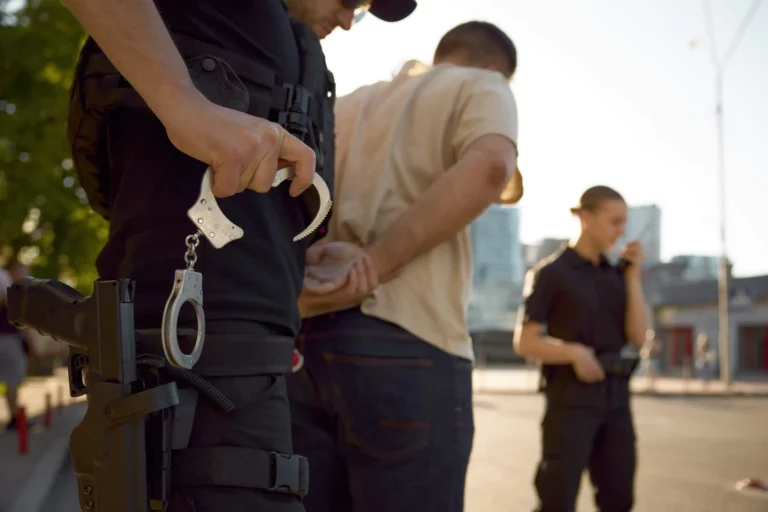
Arrest involves physical custody, usually with handcuffs, and transportation to jail for booking. Unlike detention scenarios, arrested individuals face formal charges and enter the criminal justice system. The difference between detained by police vs arrested by police becomes crucial here—arrest triggers additional rights and procedures that don’t apply during simple detention.
Once arrested, your case moves beyond investigation into prosecution territory. Booking procedures create official records, including fingerprints and photographs, that become part of your permanent criminal history. This formal process distinguishes arrest from the temporary investigative nature of detention.
Arrest With or Without a Warrant
North Carolina allows arrests both with and without warrants, depending on the circumstances and evidence available. Officers can arrest without warrants when they witness crimes directly or have immediate probable cause that felonies or certain misdemeanors occurred.
For example, if police observe you committing assault, driving under the influence, or possessing illegal drugs, they can arrest immediately without obtaining a warrant first. The presence of probable cause justifies the arrest regardless of whether paperwork was prepared in advance.
Warrant-based arrests typically occur after investigation when officers present evidence to magistrates who determine whether probable cause exists. These arrests often happen at homes or workplaces when suspects aren’t immediately available during the initial investigation.
Whether arrested with or without a warrant, the fundamental requirement remains the same: probable cause must support the arrest decision. The detained vs arrested distinction centers on this evidence threshold, not on paperwork formalities.
Key Legal Rights: Detained vs Arrested in North Carolina
Your constitutional rights apply whether you’re detained or arrested, but understanding how these rights work in each situation helps protect you during police encounters. Both scenarios trigger important protections, though their application varies based on your legal status.
| Aspect | When Detained | When Arrested |
| Evidence Required | Reasonable suspicion | Probable cause |
| Duration | Brief, investigative period | Until case resolution |
| Search Authority | Limited pat-down for weapons | Full search of person and immediate area |
| Miranda Rights | Only if custodial interrogation | Required for custodial interrogation |
| Record Created | Generally none | Formal arrest record |
The Right to Remain Silent
The Fifth Amendment protects your right against self-incrimination whether you’re detained or arrested. However, invoking this right clearly and effectively requires specific language that officers must respect. Simply staying quiet isn’t enough—you need to actively assert your right to remain silent.
When detained or arrested, state clearly: “I don’t want to talk to you. I want to speak with an attorney.” This unambiguous statement prevents officers from continuing to question you and protects against accidental self-incrimination. Anything you say during detention or after arrest can potentially be used against you in court.
“The difference between detention and arrest is crucial for determining when Miranda warnings are required. Many people don’t realize that simply being detained doesn’t automatically trigger Miranda rights—there must be both custody and interrogation present together.” — Seth Blum, Founder & Criminal Defense Attorney
Many people make the mistake of trying to explain themselves or provide “helpful” information during police encounters. This often backfires because nervous individuals might misspeak, contradict themselves, or provide information that seems incriminating later. Your silence cannot be used against you, but your words certainly can.
The right to remain silent applies equally whether you’re detained ot arrested, but the consequences of waiving it differ. During detention, statements might provide probable cause for arrest. After arrest, statements can directly support criminal charges and prosecution efforts to prove guilt.
The Right to an Attorney
Every person has the right to legal counsel during criminal proceedings, including both detention and arrest situations. Once you request an attorney, police questioning should cease until your lawyer arrives or you specifically waive this right in their presence.
The right to counsel becomes especially important during custodial interrogation—when you’re not free to leave and officers are asking questions designed to gather evidence. This applies whether you’re technically detained or arrested, as long as the circumstances involve custody and interrogation together.
If you cannot afford a private attorney, the court will appoint a public defender to represent you. However, this appointment typically happens after formal charges are filed, which is why contacting experienced defense counsel like Kurtz & Blum immediately after any police encounter provides the best protection for your rights.
Don’t wait until formal charges appear to seek legal help. Early intervention by skilled attorneys can prevent detention from escalating to arrest or challenge unlawful police procedures that violate your constitutional rights.
Identification Requirements in North Carolina
North Carolina doesn’t enforce a general “stop and identify” law, meaning you typically aren’t required to provide identification simply because police ask you. This protection applies when you’re walking, standing in public, or engaged in lawful activities that don’t require identification.
The major exception involves motor vehicle operation. Drivers must produce valid licenses when requested under North Carolina General Statute 20-29. Passengers in vehicles generally aren’t required to identify themselves unless they’re suspected of specific crimes or the stop involves other circumstances requiring identification.
Refusing to identify yourself when legally required can result in additional charges, including resisting, delaying, or obstructing officers. However, understanding what happens when you are detained and when identification is actually required helps you avoid unnecessary complications during police encounters.
The detained versus arrested distinction affects identification requirements. During detention, identification requests must be supported by reasonable suspicion. After arrest, identification becomes part of the booking process and is generally required regardless of the underlying charges.
Search and Seizure Rights
The Fourth Amendment protects against unreasonable searches and seizures, but police authority to search varies significantly between detention and arrest situations. Understanding these differences helps you protect your privacy and evidence rights during police encounters.
During detention, officers can conduct limited pat-down searches for weapons if they reasonably believe you’re armed and dangerous. This “Terry frisk” aims to protect officer safety, not to find evidence of crimes. Officers cannot search bags, vehicles, or clothing beyond what’s necessary to check for weapons.
After arrest, police authority to search expands considerably. Officers can search your person and immediate surroundings incident to arrest, looking for weapons, evidence, and contraband. Vehicle searches after arrest may include passenger compartments and containers within reach.
You always have the right to refuse consent to searches that exceed these legal boundaries. If officers lack proper justification for searching, clearly state: “I do not consent to any search.” This preserves your rights even if officers proceed with the search anyway.
The distinction between being detained and being arrested often determines whether evidence collected by police can be used against you in court. Illegal searches conducted beyond the scope of detention authority might result in evidence suppression, weakening the prosecution’s case significantly.
What Happens Next: Detained vs Arrested Outcomes in North Carolina
The aftermath of police encounters depends heavily on whether you were detained or arrested. These different legal statuses lead to vastly different procedures, timeframes, and potential consequences for your future.
After Detention: Release or Escalation
Most detentions end with release when officers find insufficient evidence to support arrest. If the investigation doesn’t develop probable cause, you’re free to leave without charges or lasting legal consequences. Detention alone typically doesn’t create a criminal record or require court appearances.
However, detention can escalate to arrest if officers discover additional evidence during their investigation. Traffic stops might reveal outstanding warrants, drug possession, or DWI evidence. Street detentions could uncover stolen property, weapons, or evidence connecting you to recent crimes.
The transition from detained to arrested represents a critical escalation in legal jeopardy. While detention might seem minor, anything that happens during this period can provide the probable cause needed for formal arrest and criminal charges.
Smart individuals understand that cooperation during detention doesn’t guarantee release. Officers aren’t your friends during investigations—they’re gathering evidence. Remaining polite but asserting your rights provides the best protection regardless of whether detention leads to arrest.
After Arrest: Booking and Beyond
Arrest triggers a formal legal process beginning with booking at the local jail or detention center. During booking, officers record your personal information, take fingerprints and photographs, and document the charges against you. This process creates an official arrest record that follows you throughout the criminal justice system.
North Carolina requires that arrested individuals appear before a magistrate or judge within the next session of court, excluding weekends and holidays. This initial appearance addresses bail determination and ensures you understand the charges filed against you.
Bail decisions consider multiple factors including the severity of charges, your criminal history, community ties, flight risk, and public safety concerns. Judges might release you on personal recognizance, set secured or unsecured bond amounts, or deny bail entirely for serious offenses.
The contrast between detained vs arrested outcomes becomes stark at this stage. While detention might last minutes or hours without lasting consequences, arrest initiates a formal legal case that can take months or years to resolve completely.
Having experienced legal representation like the attorneys at Kurtz & Blum becomes vital after arrest. Early intervention can address bail issues, begin investigating your case, and start building defenses before the prosecution gains additional advantages.
The Indispensable Role of a North Carolina Criminal Defense Attorney
Navigating the complexities of detention and arrest requires experienced legal guidance that understands North Carolina’s specific laws and procedures. The right attorney can mean the difference between minor inconvenience and serious criminal consequences.
Expert Guidance Through Complexities
Kurtz & Blum brings over 50 years of combined experience to criminal defense cases where the detained vs arrested distinction proves critical. Our collaborative team approach means hiring one attorney provides access to our entire legal team’s knowledge and dedication.
Understanding police procedures, constitutional rights, and North Carolina’s legal standards requires specialized knowledge that general practice attorneys often lack. We know how reasonable suspicion differs from probable cause, when Miranda rights apply, and what searches are legally permissible during detention versus arrest.
Our attorneys regularly identify procedural violations that weaken prosecution cases. Police might exceed detention authority, conduct illegal searches, or fail to provide proper warnings during custodial interrogation. These mistakes become opportunities to suppress evidence or dismiss charges entirely.
The difference between detained vs arrested often turns on technical legal standards that inexperienced attorneys might miss. Our team’s deep knowledge of criminal procedure helps clients avoid conviction on cases where police violate constitutional rights.
Protecting Your Rights From the Outset
Early legal intervention prevents many problems before they develop. Kurtz & Blum attorneys can advise you immediately after police encounters, helping prevent detention from escalating to arrest or challenging unlawful procedures that violated your rights.
We teach clients how to properly assert their rights during police encounters without appearing confrontational or uncooperative. The right words and demeanor can de-escalate situations while preserving important legal protections for later court proceedings.
Our attorneys document the details of your police encounter, preserving evidence that might support motions to suppress or dismiss charges. Police reports often contain inaccuracies or omissions that favor prosecution, making independent investigation vital for effective defense.
Whether you were detained or arrested, immediate legal consultation helps us build the strongest possible defense from the beginning. Waiting until formal charges appear gives prosecutors additional time to build cases against you.
Strategic Advocacy and Favorable Outcomes
“Early intervention by experienced counsel can often prevent a detention from escalating to an arrest. The key is understanding the procedural requirements at each stage and ensuring law enforcement follows proper protocols.” — Colby Berry, Criminal Defense Attorney
Kurtz & Blum’s strategic approach to criminal defense produces favorable outcomes for clients facing DWI, domestic violence, drug charges, and other criminal cases where detention and arrest procedures prove critical.
We challenge evidence obtained through unlawful detention or arrest, often resulting in case dismissals or significant charge reductions. Prosecutors struggle to prove cases when key evidence gets suppressed due to constitutional violations.
Our negotiation skills help clients avoid trial when appropriate plea agreements serve their interests. However, we’re equally prepared to fight aggressively in court when cases require trial advocacy to protect our clients’ rights and freedom.
The detained versus arrested distinction often provides the foundation for successful defense strategies. Understanding exactly what happened during your police encounter helps us identify the best approaches for achieving favorable outcomes.
Practical Advice for Encounters With Law Enforcement in North Carolina
Preparing for potential police encounters helps you protect your rights and avoid escalating minor situations into serious legal problems. Knowing what to do and say can make the difference between detention and arrest.
Staying Calm and Asserting Rights
Remaining calm during police encounters serves multiple important purposes. Composed behavior prevents officers from perceiving you as threatening or uncooperative, which could justify additional detention time or escalate the situation toward arrest.
When stopped by police, clearly state: “I want to remain silent and speak with an attorney.” This unambiguous assertion protects your Fifth and Sixth Amendment rights while remaining respectful toward the officers involved.
Never resist physically, even if you believe the detention or arrest is unlawful. Physical resistance provides additional charges and can escalate minor encounters into serious criminal cases. Legal challenges to unlawful police conduct happen in courtrooms, not on the street.
Do you understand the difference between rights when detained versus arrested well enough to recognize which situation you’re facing? Politely asking “Am I free to leave?” helps clarify your legal status without seeming confrontational or uncooperative.
Documenting and Seeking Counsel
If safely possible, document your police encounter by noting officer badge numbers, patrol car information, time, location, and witness contact details. This information proves valuable if legal challenges to the detention or arrest become necessary later.
North Carolina allows recording police interactions in public places, but ensure your recording doesn’t interfere with officer duties or safety. Announce your intention to record and keep devices visible to avoid misunderstandings about your actions.
Contact qualified legal counsel immediately after any police encounter, whether you were detained or arrested. Early legal consultation helps preserve evidence, identify rights violations, and begin building effective defense strategies.
Don’t discuss your case with family, friends, or anyone else before speaking with your attorney. These conversations might not be protected by privilege and could potentially be used against you during prosecution efforts.